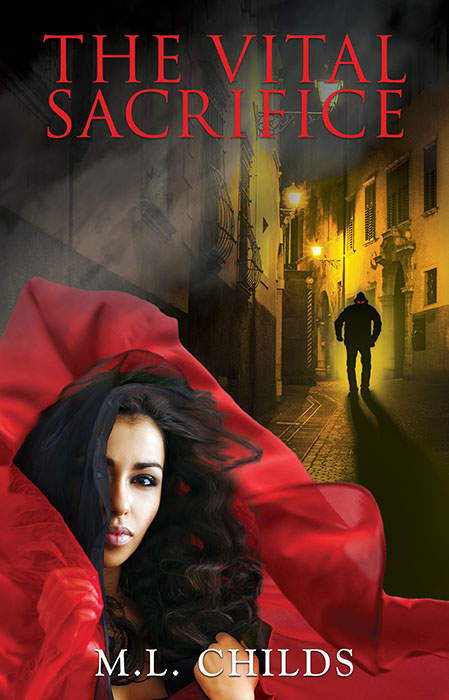
You remember those corny interpretations of a caped man with a widow’s peak who appears and disappears as a bat. This was the vampire before Bram Stoker and Anne Rice gave them depth, history, purpose, and feelings—essentially normalizing our interpretation of them. Their silver-screen transformation was even more compelling. Like Bram and Anne, Mel seeks to reimagine an age-old trope with a realistic twist. By stripping away childish cartoons and gory horror clichés, she transforms modern genies into a sophisticated parallel race to humans—just as described in ancient scriptures and histories. Here is how The Vital Sacrifice is shattering the brass-lamp trope and defining the new era of supernatural fiction.
Why Did Genies Reside in a Lamp?
The classic image of a smiling entity trapped in a brass teapot waiting to grant three wishes is a hollow childhood cliché. In antiquity, binding a sovereign being to an object wasn’t a whimsical fairy tale—it was an act of aggressive imprisonment. Traditional tropes stripped these entities of their danger, gravity, and ancient power, reducing terrifying primordial forces to docile cosmic servants. For a modern supernatural thriller to have real stakes, the childlike gimmicks must be destroyed. A force of pure fire cannot be contained by a tea kettle; it requires a narrative that dives deeper into the intricacies of this creature. In The Vital Sacrifice, the genie spirit still exists, but it’s not contained in a teapot or a lamp. Instead, it becomes one with a small clique of human men, making them semi-immortal.
Pulling Genies from Bondage into High Society
The Vital Sacrifice achieves a complete genre evolution by liberating these beings from the historical bondage trope and normalizing them as powerful and independent beings. According to ancient scriptures and histories, these invisible creatures live in a parallel universe to humans, living by their own laws and rules. The Vital Sacrifice incorporates some of this myth by merging these entities with men from ancient times who live to this day. Unlike the old trope, they don’t hide in dusty ruins or caves. Instead, they move fluidly through the upper echelons of modern society, commanding spaces of immense wealth and prestige. They don’t grant wishes; they control their own destinies.
Why These Genies Belong to a Secret Society
Living life out loud is not how these beings behave, as it could draw too much attention from observant onlookers, especially government officials. By operating within elite, exclusive secret societies, this parallel race has maintained its obscurity across many periods of human history. The hidden networks they’ve built protect their true nature and minimize unnecessary conflict with mortals. For the few humans who are initiated into their world, there are no magical shortcuts or wishes—only ancient rules and an excruciating transformation that only powerful men can endure.
The New Era of Supernatural Fiction
Bram Stoker and Anne Rice proved that the supernatural becomes truly unforgettable when it is granted sophistication, history, and a seat in the upper echelons of society. In Bram Stoker’s Dracula, we see that the main character has historicity—he’s linked to Vlad the Impaler, a real historical figure. In Anne Rice’s Interview with the Vampire and later Queen of the Damned, these vampires have conflicts, drama, and deep-seated ambitions within their own camp, just like humans. Mel Childs imbues these characters in The Vital Sacrifice with history and emotion, making them more than just robotic slaves to human whims. They exist independently, only intermingling with people to fulfill their desires or maintain some sense of normalcy.
Are you ready to explore the new interpretation of Djinn, often referred to in the West as genies? Click the book or button below to get your copy of the novel, The Vital Sacrifice.

View Other Posts Like This One
Mel Childs is the author of The Vital Sacrifice and The Missing Link. Additionally, she has written freelance for various national publications, including Parade Home & Garden, Dengarden, Bob Vila, This Old House, Lawnstarter, WikiLawn, and many more.